10 Stylish Small Spaces With Big Personality
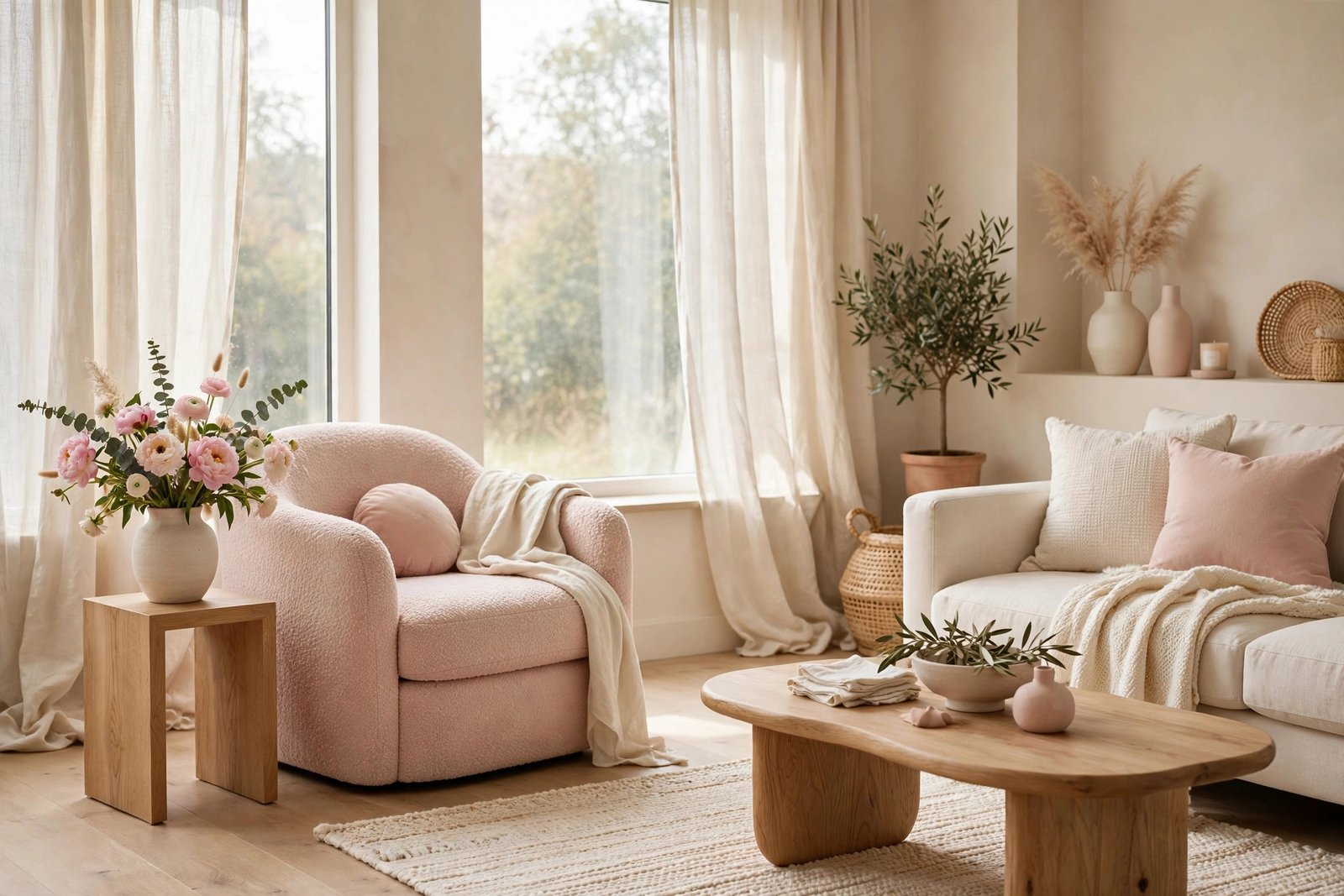
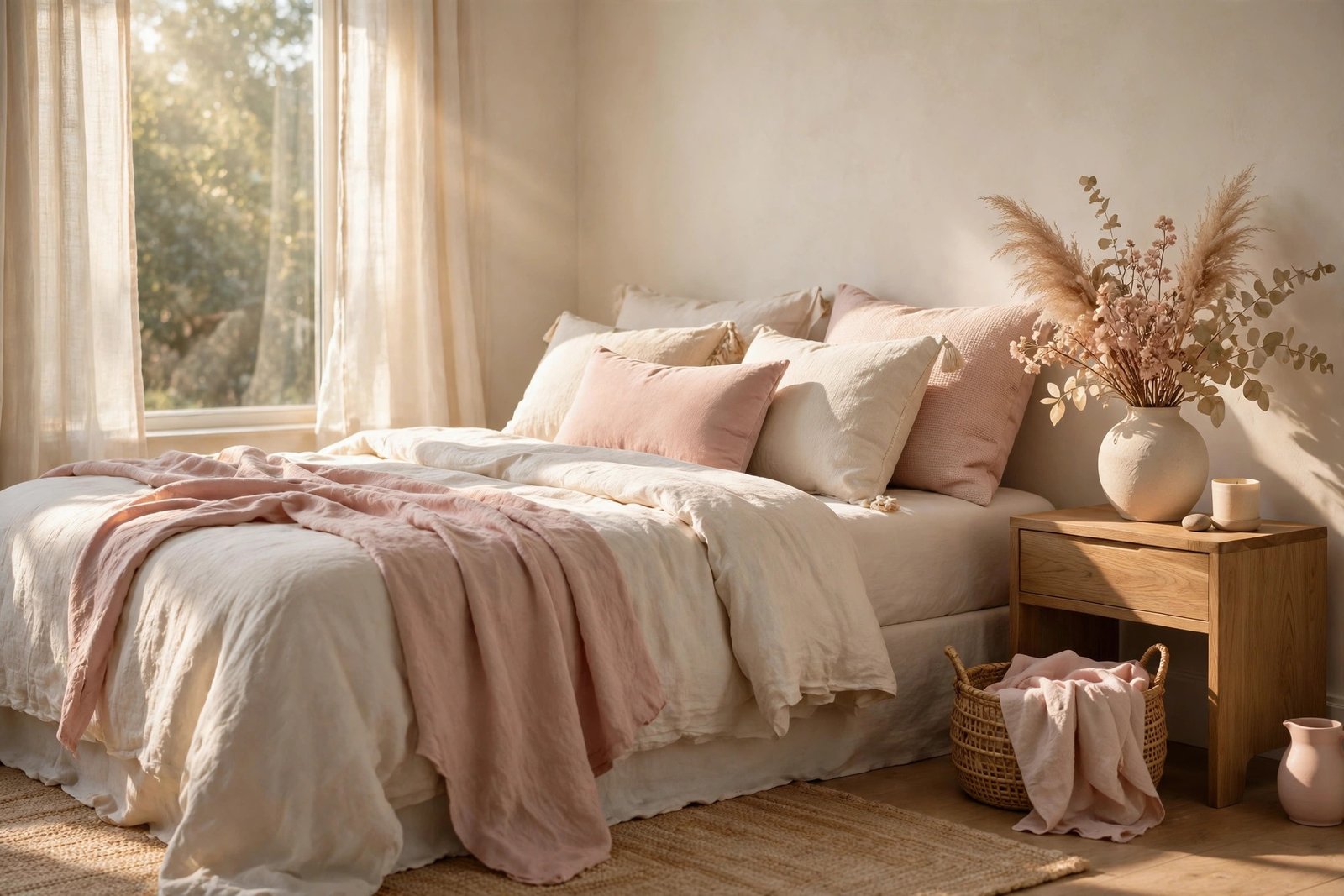
Small spaces have a hidden advantage: every choice matters, so every choice gets thought. The result is often more personal and more stylish than rooms ten times their size. Here are ten ideas to make small feel spectacular.
1. Go Dark and Moody
Deep green, navy, or chocolate walls make small rooms feel intimate and intentional rather than cramped. Dark colors blur boundaries — the oldest designer trick there is.
2. One Oversized Art Piece
A single large artwork (or mirror) instead of a gallery wall gives a small room a focal point and a sense of scale. Bigger art makes rooms feel bigger.
3. The Statement Corner
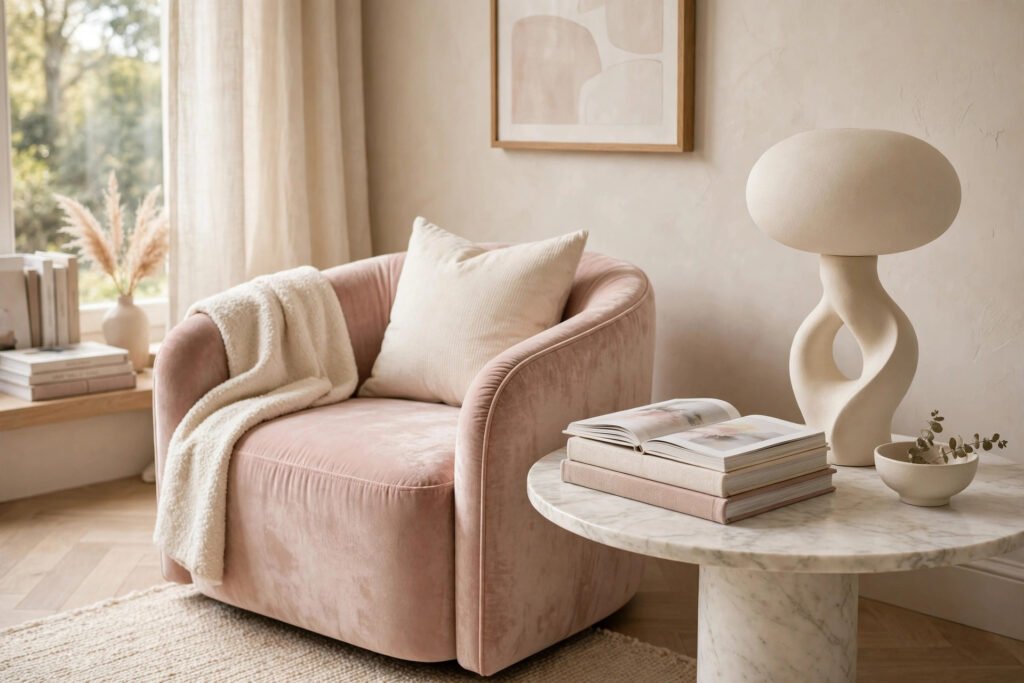
Turn one corner into a moment: a sculptural chair, a floor lamp, a side table with books. Small rooms shine as a collection of moments, not open expanses.
4. Vertical Everything
Floor-to-ceiling curtains, tall bookcases, vertical art arrangements — drawing the eye up makes ceilings feel higher and rooms feel grander.
5. Furniture With Legs
Visible floor beneath sofas and chairs creates visual airiness. Leggy, mid-century-inspired pieces are small-space heroes.
6. The Bold Rug
In a small room, the rug can be the personality: pattern, color, vintage character. Let it lead and keep everything else quieter.
7. Multifunctional, Beautifully
A daybed that is a sofa by day, a drop-leaf table, nesting tables — small-space function does not have to look utilitarian.
8. Layered Lighting, Small Scale
Swap one overhead light for three small sources: a table lamp, a wall sconce, a candle cluster. Small rooms glow best in layers.
9. Curate, Don’t Minimize
Minimalism is not the only answer. A maximalist small room — books, art, objects with stories — feels like a jewel box when it is curated with love.
10. The Five-Foot Rule
Style the room for how it looks from five feet away, not from the doorway. Small rooms are experienced up close — texture and detail win.
Small Space Principles
- Every piece should earn its footprint: beautiful, functional, or both.
- Cohesive palette, varied texture — unity without monotony.
- Mirrors double light and depth; place them opposite windows.
- Edit seasonally: rotate objects in and out to keep the space feeling fresh.
Frequently Asked Questions
Should small rooms be painted light or dark?
Both work. Light colors maximize airiness; dark colors create intimacy and depth. Choose based on the mood you want, not the size.
How do I avoid a small room feeling cluttered?
Clutter is visual noise, not quantity. Group objects in odd numbers, leave breathing room on surfaces, and hide the genuinely ugly stuff.
What is the biggest small-space mistake?
Pushing all furniture against the walls. Floating pieces even a few inches out creates depth and makes the room feel larger.
Conclusion
Small spaces do not need to apologize — they need intention. Pick a mood, commit to it fully, and let the room’s size become its signature.